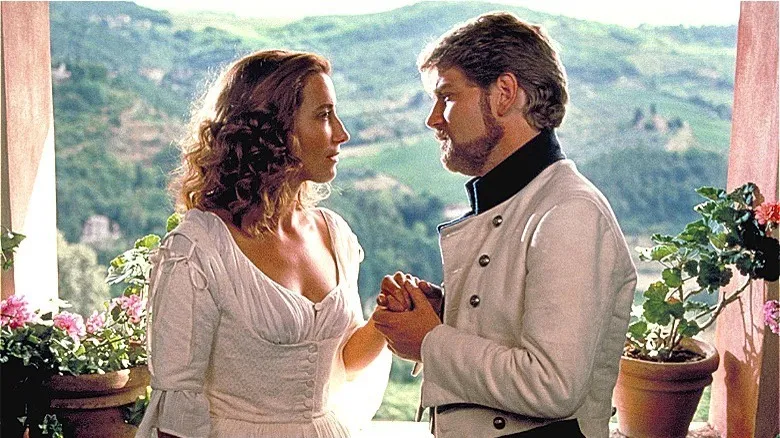
The last time I really appreciated Shakespeare was when we studied it in school. My English teacher chose Much Ado About Nothing and I remember enjoying it a lot. Beatrice and Benedick’s relationship arc was a joy, and I loved how Emma Thompson and Kenneth Brannagh portrayed them in the film.
But even in school we only looked at a few of Shakespeare’s plays. His sonnets never interested me; maybe I wasn’t introspective enough as a teenager to appreciate the themes in them.
So I got curious, would I feel the same now as an adult? As someone who’s had more experiences and can reflect them on his writing, would I find myself moved by sonnets where before I wouldn’t be? And for the most part, I do feel the same! Shakespeare’s prose is gorgeous to read but it’s hard to parse. Reading it is, to me, like eating a really dense and syrupy pudding.
But one sonnet got to me right away. Sonnet 94 has been open in a tab on my phone for weeks. I keep going back to it:
They that have power to hurt and will do none,
That do not do the thing they most do show,
Who, moving others, are themselves as stone,
Unmoved, cold, and to temptation slow:
They rightly do inherit heaven’s graces
And husband nature’s riches from expense;
They are the lords and owners of their faces,
Others but stewards of their excellence.
The summer’s flower is to the summer sweet
Though to itself it only live and die,
But if that flower with base infection meet,
The basest weed outbraves his dignity:
For sweetest things turn sourest by their deeds;
Lilies that fester smell far worse than weeds.
I wanted to reflect on what I read in this sonnet, and why I think it hit me so hard.
Overview
This is a sonnet about virtue.
The first half is quite literally Shakespeare expressing admiration for people who, in positions where it would be easy to be swayed, do not bend to temptations.
Not doing the thing they most do show emphasises that their strength is in doing the right things even when it goes against expectations. Being virtuous when there is no consequences is easy: doing it when others would expect you to cave is admirable.
And these people are rewarded with heaven’s graces, which outside of the religious context I take to mean strength and conviction.
People being lords and owners of their faces means they have no need to lie to others, or to pretend they are anything other than themselves. Others being stewards of their excellence, by holding them up as examples of virtue. The person who never betrays their own face by lying is rewarded with trust and exhaltations from their community.
The latter half is a more metaphorical expression. Of how rot (acting against your code) corrupts even the most beautiful flowers (people), to the point where they are more putrid than weeds.
A flower is sweet to the summer, but is only concerned with its own living and dying. In the scope of a summer garden, and anyone who passes through it, the flowers are its beauty, with fresh smells and vibrant colours. The flowers make the summer garden, even if the flowers aren’t aware of it.
But what if the flowers were corrupted? If the sweetest things turn sourest by their deeds then there’s no healing even the loveliest flowers if they start to rot and decay. Even the basest weed is favoured over a festering flower.
Reflections
Our internal codes are tested constantly. In large, visible ways, like voting and following laws. But also in the tiniest ways. How you treat a cashier. How you treat the environment around you. How you exercise your individual power, both with your time and your money.
This sonnet is a love letter to people who always do their best for other people, even when it’s hard.
However this is not about people who doggedly follow their code as as absolute truth. Like some kind of paladin. I’ve had moral codes that I firmly believed in, and acted on consistently, until I was convinced to change my perspectives. But I’ve always tried to be honest about my stances, and moved in line with them.
Would this sonnet be read differently by people with opposing codes? What is a ‘moral good’ to one person will read as ‘moral bad’ to another, but if they’re both acting consistently within their own guidelines, can either be said to be rotten? Who is the judge of that?